
whatsapp:8615165139199
mail:lilysun2617188@gmail.com
address:No.16, Ren Mei Road, National Hi-tech Industrial Development Zone, Jining City, Shandong Province, China.
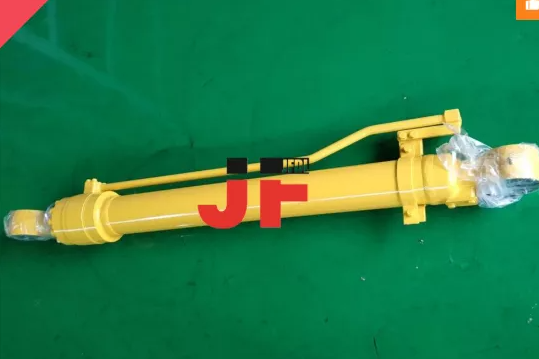
Hydraulic cylinders play a critical role in many industrial systems, converting fluid pressure into powerful linear motion. From heavy machinery like excavators to automated systems in manufacturing, these cylinders make complex tasks easier and more efficient.
Regular maintenance of hydraulic cylinders is essential for optimal performance. Disassembly is often necessary to repair leaks, replace worn parts, or address damage. In this guide, you will learn the process of disassembling hydraulic cylinders, with a focus on two common types: threaded head and wire ring cylinders.
Preparing for Hydraulic Cylinder Disassembly
Before diving into the disassembly process, it’s crucial to prepare both the equipment and the workspace for safety and efficiency. Disassembling a hydraulic cylinder requires specific tools, a clean environment, and a careful approach. Here's how to get started:
Safety First: Shut Down and Secure the System
The first and most important step is ensuring that the hydraulic system is fully depressurized. If the system is pressurized, it could lead to hydraulic fluid being expelled under high pressure, which can be dangerous. Lockout/tagout (LOTO) procedures must be followed to prevent accidental activation during disassembly. Always wear personal protective equipment (PPE) such as safety goggles and gloves to protect yourself from hydraulic fluid spills or potential injuries during the process.
Cleaning the Cylinder and Removing External Contaminants
Contaminants like dirt, dust, grease, or hydraulic fluid residue on the cylinder can compromise the disassembly process and damage internal components. Before starting, clean the exterior of the hydraulic cylinder using a non-flammable cleaning solvent and a lint-free cloth. This removes any debris that could potentially enter the internal workings of the cylinder during disassembly. Cleaning also helps to identify any obvious leaks or damage on the exterior of the cylinder.
Disconnecting Hydraulic Lines and Removing the Cylinder
Disconnecting the hydraulic hoses and removing the cylinder from the machine are the next steps. Carefully disconnect the hoses from the cylinder's ports. Always ensure the open ports are capped to prevent debris from entering the hydraulic system. After disconnecting the hoses, remove any clevis pins or mounting bolts securing the cylinder to the machine. Depending on the size of the cylinder, you may need a hoist or lifting equipment to move it safely. Ensure that the cylinder is free from any attachments or external components before beginning the disassembly process.
Securing the Cylinder in a Vice
Once the hydraulic cylinder has been detached from the machine, the next step is to secure it in a vice or a holding fixture. This ensures stability during the disassembly process, preventing the cylinder from shifting or rolling, which could lead to damaging or misaligning internal components. A bench vice or floor vice works best, depending on the cylinder's size and design.
Hydraulic Cylinder
How to Disassemble a Threaded Head Hydraulic Cylinder
Threaded head cylinders are one of the most common types of hydraulic cylinders used in industrial systems. They are secured by an end cap that’s typically fastened with a set screw or gland that can be unscrewed. Below are the steps for disassembling a threaded head hydraulic cylinder.
Loosening the Set Screw and Unscrewing the End Cap
The first step in disassembling a threaded head cylinder is to locate and remove the set screw on the end cap. Some cylinders may have a locking nut that holds the end cap in place, so using a wrench or an adjustable spanner may be necessary. Once the set screw is removed, use a spanner wrench to unscrew the gland or end cap from the cylinder housing. Make sure to do this slowly to avoid damaging the threads on the cylinder cap.
Removing the Rod Assembly and Piston
With the end cap removed, you can begin extracting the piston rod from the cylinder housing. This process requires gentle care, as the piston rod and assembly can be tightly seated inside the cylinder. Depending on the cylinder size and design, you may need to use a soft-faced hammer to tap the rod out gently. Be cautious not to damage any seals or internal parts during this process.
Inspecting Components for Damage and Wear
Once the rod assembly has been removed, it's essential to inspect the piston, rod, seals, and the cylinder housing for any signs of wear or damage. Look for scoring, rust, or bending on the piston rod, as well as damage to the seals, gland, or cylinder bore. Use a magnifying glass to inspect fine details. Minor damage, such as scoring, can often be repaired by rehoning or polishing the affected area, but any major damage will likely require replacing the component.
Replacing Seals and Other Worn Components
During disassembly, check for worn-out seals, O-rings, and piston nuts that may need replacement. Always ensure that replacement parts are from a reputable supplier and are compatible with the hydraulic cylinder model. Before reassembly, coat all new seals and components with fresh hydraulic oil to ensure they are lubricated properly. This reduces friction and ensures proper sealing when the cylinder is reassembled.
Reassembly Process for Threaded Head Cylinders
To reassemble the cylinder, reverse the disassembly steps. Begin by inserting the piston rod and gland back into the cylinder housing. Carefully reattach the end cap and gland using a wrench to ensure a secure fit. Make sure the seals are properly aligned and lubricated. Tighten the set screw or lock nut to secure the cylinder and check for any leaks by testing the cylinder under pressure. If everything is aligned and functioning correctly, you’ve successfully reassembled your threaded head hydraulic cylinder.
How to Disassemble a Wire Ring Hydraulic Cylinder
Wire ring hydraulic cylinders use a snap ring or wire ring to secure the gland assembly in place. The disassembly process for this type of cylinder is slightly more involved than threaded head cylinders. Here's how to disassemble a wire ring hydraulic cylinder.
Removing the End Cap and Wire Ring
The first step in disassembling a wire ring hydraulic cylinder is to remove the end cap using a pipe wrench if necessary. Once the end cap is removed, you will need to extend the piston rod from the cylinder housing. The wire ring, located inside the cylinder head, can now be removed with pliers or a snap ring tool. If the wire ring is difficult to remove, apply a small amount of penetrating oil to loosen it.
Extracting the Rod Assembly
After the wire ring is removed, the next step is to extract the piston rod assembly. Support the piston and rod carefully during removal to avoid damaging any seals or the internal cylinder bore. Once the rod is removed, check the internal components for signs of wear, rust, or damage.
Inspecting and Replacing Seals and O-rings
Just as with threaded head cylinders, it is essential to inspect and replace any worn or damaged seals and O-rings. Examine the gland and piston for damage. If necessary, replace any worn parts with new ones that meet the specifications for your hydraulic cylinder. Be sure to lubricate all seals before reinstallation to ensure proper functioning.
Reassembling the Wire Ring Cylinder
To reassemble the wire ring hydraulic cylinder, reverse the disassembly steps. First, reinsert the piston and seals into the cylinder. Next, install the wire ring and end cap, ensuring that all parts are properly aligned. Lubricate the seals and components with fresh hydraulic oil. Tighten the end cap securely, and test the reassembled cylinder for leaks and proper operation.
Common Issues to Watch for During Disassembly
Identifying Damaged or Worn Parts
When disassembling hydraulic cylinders, it’s important to identify parts that are damaged, worn, or showing signs of failure. Check the piston rod for scoring or bending, and inspect seals and O-rings for wear. Any damaged components should be replaced to ensure the cylinder functions optimally after reassembly.
Cylinder Bore and Rod Inspection
The cylinder bore and piston rod are critical to the performance of the hydraulic cylinder. Inspect the bore for scoring or rust. Minor scratches and marks can be honed out, but severe damage may require replacing the cylinder barrel. Similarly, the piston rod should be free of any damage such as deep pits or excessive wear.
Ensuring Cleanliness and Proper Lubrication
Keeping components clean during disassembly and reassembly is vital to preventing contamination. Any dirt or residue left inside the cylinder can cause premature wear or malfunction. Be sure to clean all parts thoroughly and lubricate them before reassembling. Proper lubrication is crucial to ensure smooth operation and avoid leaks.
Hydraulic Cylinder
Troubleshooting Common Hydraulic Cylinder Failures
Identifying the Root Cause of Hydraulic Cylinder Issues
When disassembling a hydraulic cylinder due to failure, it’s important to not only fix the symptoms but also identify the underlying cause. A leaking cylinder could be due to worn seals or damaged components, while a sticking piston may be caused by contamination or a malfunctioning valve. Diagnosing the problem accurately will help prevent recurring issues.
Dealing with Leaks, Sticking Pistons, and Other Problems
Leaks are often caused by damaged seals or O-rings. A sticking piston could be due to internal corrosion or contamination. Always check for foreign particles or damage within the cylinder. Cleaning and replacing worn parts are key to resolving these common issues.
Professional Assistance vs DIY Repair
While routine disassembly and maintenance can often be done in-house, some hydraulic cylinder repairs are complex and may require specialized expertise. If you're uncertain about diagnosing or repairing a specific issue, it’s wise to consult with a professional hydraulic technician to avoid further damage and ensure safety.
Conclusion
Disassembling a hydraulic cylinder is crucial for maintaining hydraulic systems. Whether handling threaded head or wire ring cylinders, following proper procedures ensures efficiency and safety. Prioritize safety, cleanliness, and lubrication during disassembly. Regular maintenance and timely repairs improve performance and extend service life. For top-quality hydraulic components, Qianyu offers reliable solutions that maximize efficiency and minimize downtime, providing superior value to your machinery.