
whatsapp:8615165139199
mail:lilysun2617188@gmail.com
address:No.16, Ren Mei Road, National Hi-tech Industrial Development Zone, Jining City, Shandong Province, China.
Hydraulic cylinders are vital to machinery, from construction to automotive applications. Without proper maintenance, they can fail, causing costly repairs and downtime.
One of the most crucial maintenance tasks is learning how to bleed a hydraulic cylinder. Trapped air in the system can disrupt its operation and efficiency. In this article, we’ll walk you through the steps to safely bleed your hydraulic cylinder, explain why it’s essential, and provide tips for avoiding common issues.
Why Is Bleeding a Hydraulic Cylinder Important?
Consequences of Trapped Air in Hydraulic Cylinders
Air trapped in hydraulic cylinders can significantly reduce the efficiency of your hydraulic system. Since hydraulic systems rely on the incompressibility of fluids to transfer power, air—which is compressible—introduces unwanted variables. This can lead to jerky movements, noisy operation, and sluggish performance.
More importantly, cavitation can occur when air bubbles implode under pressure, eroding internal cylinder components. This erosion damages seals, increases wear, and contaminates the hydraulic fluid, which can eventually cause the hydraulic cylinder to fail.
The Impact on System Performance
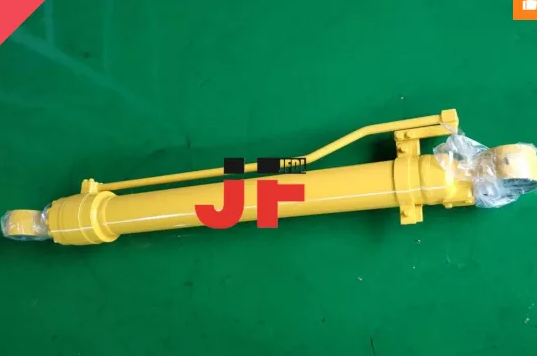
When air infiltrates a hydraulic system, it can lead to a drop in pressure consistency. The hydraulic fluid, with air bubbles present, cannot maintain a stable pressure, causing fluctuations during operation. This inconsistency can severely impair the smooth operation of the machinery and reduce its overall productivity.
Additionally, the presence of air creates extra wear on the system's internal components. The hydraulic fluid's lubricating ability diminishes, leading to overheating and damage. Therefore, bleeding the hydraulic cylinder ensures smooth, reliable operation and prevents unnecessary wear and tear.
Hydraulic Cylinder
Signs You Need to Bleed Your Hydraulic Cylinder
Decreased Efficiency and Sluggish Operation
One of the most common signs that your hydraulic cylinder may need bleeding is sluggish performance. Since trapped air compresses under pressure, it takes more time for the system to respond to commands. You may notice that the hydraulic arm or machinery that uses the cylinder moves slower than usual or takes longer to complete tasks.
Unstable or Jerky Movements
If the hydraulic system is jerking or showing unstable movements, it’s another sign that air has infiltrated the system. As the piston moves through the cylinder, the air bubbles create inconsistent resistance. This results in jerky or stuttering motions, making your machinery unpredictable and less efficient.
Noise Indicators
Hydraulic systems should operate smoothly and quietly. If you begin hearing knocking, gurgling, or any unusual sounds, this is often a clear indicator of air trapped inside the system. These noises occur when the air bubbles compress and decompress, creating vibrations and disturbing the fluid flow. If you notice any of these sounds, it’s time to bleed the hydraulic cylinder.
Step-by-Step Guide to Bleeding a Hydraulic Cylinder
Preparation Before Bleeding
Before starting the bleeding process, gather all the essential tools, such as wrenches, hydraulic fluid, and a container for collecting fluid. Make sure to wear appropriate safety gear, including gloves and safety glasses. Ensure the hydraulic system is depressurized and the area is clear of obstructions to prevent accidents.
Tools and Materials Needed
Hydraulic Fluid: Make sure you have the correct type of fluid for your system.
Wrenches: For loosening and tightening the bleed valve.
Container or Bucket: To collect the expelled fluid.
Rags or Absorbent Pads: To clean up any spills.
Safety Gear: Gloves and safety glasses to protect against hydraulic fluid.
System Safety
Depressurize the System: Always ensure the hydraulic system is not under pressure before starting. This prevents accidental fluid sprays and injuries.
Secure the Equipment: Lock out the equipment or machinery to avoid accidental movements during the bleeding process.
Locate the Bleed Valve
The bleed valve is typically located at the top of the hydraulic cylinder. It may also be near the hydraulic hoses, depending on the design. Once identified, ensure that it is accessible and not obstructed by other parts.
Open the Bleed Valve and Release Air
Now that your setup is ready, proceed to open the bleed valve slowly. As the valve opens, air will begin to escape. You will notice the air bubbles in the fluid, signaling that the air is being released. Be patient and let the valve stay open until you see a steady flow of hydraulic fluid without bubbles.
Tip: If the fluid is foamy, you may need to filter it through gauze or refill the system with new fluid. This ensures that no foam remains to disrupt the cylinder's function.
Close the Valve and Refill the System
Once you have expelled all the air and the fluid is free from bubbles, close the valve tightly to prevent air from entering the system again. Afterward, check the fluid level in the reservoir and refill it to the appropriate level. This ensures that the hydraulic system operates at optimal capacity.
Troubleshooting Common Issues After Bleeding
Persistent Air Bubbles
If you still notice air bubbles after bleeding, it means that not all the air has been released. In this case, repeat the bleeding process, making sure to follow the steps carefully. It might take a few attempts to fully expel all the air.
Damaged Seals or Leaks
Damaged seals or improperly tightened fittings can allow air to re-enter the system. After bleeding, check all seals and connections to ensure there are no leaks. If you find any, replace the seals or tighten the fittings before resuming operation.
Low Hydraulic Fluid or Contaminated Fluid
Low fluid levels or degraded hydraulic fluid can lead to inefficient operation. If you notice that the fluid has become contaminated or degraded, replace it with fresh fluid. This will prevent further damage to the system and ensure it runs smoothly.
Safety Precautions to Follow When Bleeding a Hydraulic Cylinder
Ensure the System Is Not Under Pressure
Before starting the bleeding process, depressurize the system by shutting down the machine and releasing any remaining pressure in the hydraulic lines. This is crucial for your safety and to avoid potential accidents caused by high-pressure fluid.
Wear Proper Safety Gear
Hydraulic fluid can be harmful if it comes into contact with your skin. Always wear gloves, safety glasses, and, if necessary, a protective apron to shield yourself from any accidental splashes. This will help protect you from the potentially harmful effects of hydraulic fluid.
Work in a Clean and Well-Ventilated Area
Hydraulic systems can emit fumes, especially when fluid heats up. Always work in a well-ventilated space to avoid inhaling any harmful fumes. Keeping the workspace clean also helps to prevent contamination of the hydraulic fluid.
Hydraulic Cylinder
Preventative Maintenance to Avoid Air Entrapment
Regular System Checks
Perform regular system inspections to check for any potential leaks or areas where air might be entering the system. This proactive approach can help you identify problems early and avoid the need for frequent bleeding.
Seal and Fluid Maintenance
Maintaining the seals in your hydraulic system is crucial to prevent air from entering. Regularly replace worn-out seals and always use the correct hydraulic fluid to ensure efficient system operation.
Tighten Connections to Prevent Air Leaks
Regularly inspect the hoses, fittings, and valves to ensure they are tightly sealed. Loose connections can let air enter the system, leading to performance issues. Tighten any loose fittings and replace worn components to prevent air leakage.
Conclusion
Bleeding a hydraulic cylinder is crucial for maintaining system efficiency and longevity. By removing trapped air, you reduce wear, noise, and improve performance. Regular maintenance and timely bleeding ensure smooth operations and prevent costly repairs. If you encounter complex issues, don't hesitate to contact a professional. Qianyu offers high-quality hydraulic cylinders that provide exceptional value, ensuring efficient machine operation and longevity.