
whatsapp:8615165139199
mail:lilysun2617188@gmail.com
address:No.16, Ren Mei Road, National Hi-tech Industrial Development Zone, Jining City, Shandong Province, China.
Hydraulic cylinders are crucial in many machines, converting hydraulic fluid pressure into mechanical force. From construction equipment to industrial machinery, they are indispensable. However, wear and tear can reduce their performance, leading to costly replacements.
In this article, we will discuss the importance of rebuilding a hydraulic cylinder as a practical, cost-effective, and environmentally friendly alternative. You’ll learn the step-by-step process, the tools and materials required, and how to ensure your hydraulic cylinder operates like new.
Understanding Hydraulic Cylinders
What is a Hydraulic Cylinder?
A hydraulic cylinder is a mechanical actuator used to generate force in a linear motion. It operates based on the power of pressurized hydraulic fluid. Key components include:
Cylinder Barrel: Houses the hydraulic fluid under pressure.
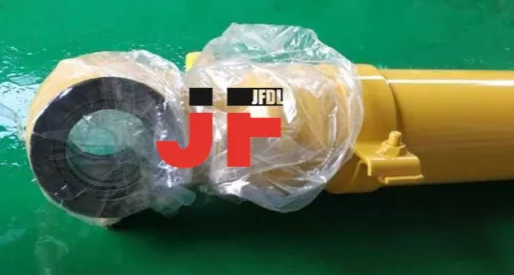
Piston: Creates the push or pull force.
Seals: Prevent fluid leakage and ensure optimal performance.
Hydraulic cylinders convert hydraulic fluid pressure into mechanical energy, which powers heavy machinery, lifting systems, and other equipment. Any issue with these parts can reduce the efficiency of the hydraulic system, making timely maintenance and rebuilding crucial.
Common Uses of Hydraulic Cylinders
Hydraulic cylinders are everywhere in industrial machinery, including:
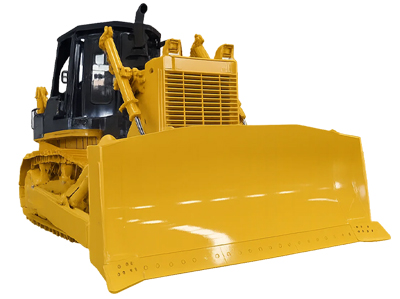
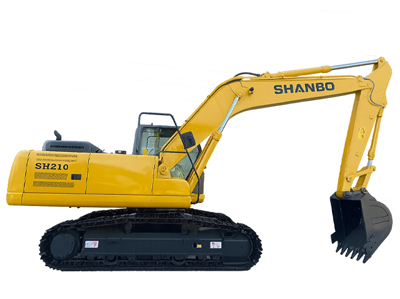
Construction Equipment: Used in excavators, cranes, and bulldozers.
Agricultural Machines: Found in tractors and harvesters for lifting and pushing.
Industrial Applications: Used in manufacturing systems to power presses, machines, and conveyors.
Their versatility makes them integral to many industries, providing efficient force transmission to perform heavy-duty tasks.
Importance of Regular Maintenance and Rebuilding
Regular maintenance of hydraulic cylinders is crucial to avoid downtime and costly repairs. When cylinders begin to leak, lose performance, or suffer from physical damage, rebuilding is often a more economical solution than buying a replacement. A rebuilt cylinder can operate like new, extending its lifespan and improving overall system efficiency.
Signs Your Hydraulic Cylinder Needs Rebuilding
Leaks and Seal Failures
The most common issue in hydraulic cylinders is leaking. Hydraulic fluid leaking from seals can reduce pressure, affecting performance. Leaks can also cause environmental issues and increase operational costs. Identifying leaks early allows you to rebuild the cylinder before the damage becomes severe.
Reduced Performance
If the cylinder operates more slowly, erratically, or struggles to lift its usual load, it could be a sign that parts are worn or seals are damaged. Poor performance can also be caused by fluid loss or internal blockages, leading to inefficiencies.
Physical Damage and Wear
Scratches on the barrel, a bent rod, or damaged pistons can lead to improper operation. Wear on the rod or piston can cause seals to fail prematurely, leading to fluid leakage. Regular inspection is crucial for identifying these issues early and preventing further damage.
Hydraulic Cylinder
Essential Tools and Materials for Hydraulic Cylinder Rebuilding
Basic Tools You Need
To rebuild a hydraulic cylinder, you’ll need the following tools:
Wrenches: For disassembling parts.
Seal Installation Tools: For proper placement of seals without damaging them.
Snap Ring Pliers: Essential for removing and installing snap rings.
Rod Clamps: To hold the rod securely while working.
Torque Wrenches: To ensure bolts are properly tightened.
Having the right tools ensures the rebuild goes smoothly and that components are securely reassembled without damage.
Necessary Materials for Rebuilding
For the rebuild, ensure you have:
Replacement Seals and O-Rings: These are crucial for maintaining pressure and preventing leaks.
Hydraulic Fluid: To refill the cylinder and ensure proper functioning after the rebuild.
Cleaning Solvents: To clean components and prevent contamination.
Using high-quality materials ensures a reliable rebuild that will extend the cylinder’s life and improve performance.
Ensuring Tool and Material Quality
The success of the rebuild depends on using the right tools and materials. Always use seals and hydraulic fluid that match the specifications of the cylinder. Quality tools will help prevent accidental damage during disassembly and assembly, while proper lubrication ensures smooth operation after the rebuild.
Step-by-Step Guide to Rebuilding a Hydraulic Cylinder
Preparation Before Disassembly
Before starting the rebuild, ensure that the cylinder is fully disconnected from the hydraulic system. Follow these steps:
Disconnect Hoses: Drain the hydraulic fluid by disconnecting the hoses and plugging the openings to prevent dirt or debris from entering.
Clean the Exterior: Wipe down the outside of the cylinder to remove dirt and contaminants.
Safety Check: Make sure the work area is safe and clean, and wear appropriate personal protective equipment (PPE).
Disassembling the Hydraulic Cylinder
To begin the rebuild, carefully disassemble the cylinder:
Loosen the Set Screw: For threaded-head cylinders, remove the set screw holding the internal components.
Remove the End Cap and Gland: Take out the gland and rod assembly, followed by the piston.
Remove Old Seals: Carefully take out the old seals and O-rings. These must be replaced with new ones to ensure a proper seal.
Inspecting and Preparing Components for Reassembly
Before reassembling the cylinder, inspect each component:
Barrel: Check for scratches or wear that may need repair.
Piston: Inspect for damage or wear, including worn grooves where seals sit.
Rod: Look for corrosion or scoring.
Reassembling the Cylinder
Now, reassemble the cylinder:
Lubricate Components: Apply hydraulic fluid to all seals and internal parts to facilitate smooth reassembly.
Install New Seals: Place new seals in their respective grooves. Ensure they’re correctly aligned and not overstretched.
Slide the Components Back Together: Carefully slide the rod and piston assembly back into the barrel, ensuring no damage occurs.
Final Checks and Tightening
Ensure that all bolts, screws, and fasteners are tightened to the manufacturer’s specifications using a torque wrench. Verify that the cylinder is properly sealed and ready for hydraulic fluid.
Testing the Rebuilt Hydraulic Cylinder
Bench Testing
Once the cylinder is reassembled, perform a bench test:
Visual Inspection: Check for any misalignments or leaks.
Pressure Testing: Apply pressure to ensure the cylinder can hold the hydraulic fluid without leaking.
Performance Testing: Assess the cylinder’s ability to extend and retract smoothly under pressure.
On-Site Functional Test
Once bench testing is complete, install the cylinder back into the machine and perform an operational test. Check for smooth movement, consistent pressure, and no leaks. Pay attention to any unusual sounds or vibrations during operation.
Hydraulic Cylinder
Troubleshooting Post-Rebuild Issues
Addressing Leaks
Leaks after rebuilding can occur if seals are not installed correctly or if the cylinder has surface imperfections. Inspect the seals and cylinder surface for any damage. If necessary, reassemble the cylinder with new seals or address any surface issues.
Dealing with Sticky or Stiff Movement
Sticky or stiff movement can be caused by improper seal installation, misalignment, or lack of lubrication. Ensure all parts are aligned correctly and lubricated adequately. If necessary, replace the seals and check for contamination in the hydraulic fluid.
Resolving Low Hydraulic Pressure
If the cylinder exhibits low pressure, check the hydraulic pump, fluid levels, and valve settings. Ensure that there are no leaks and that the pump is functioning properly.
Safety Protocols During Hydraulic Cylinder Rebuilding
Personal Protective Equipment (PPE)
Always wear the appropriate PPE when working on hydraulic cylinders. This includes:
Gloves: To protect hands from sharp components and contaminants.
Safety Glasses: To shield eyes from flying debris.
Ear Protection: If you’re using loud tools or working in a noisy environment.
Safe Equipment Handling and Workspace Organization
Follow proper lifting techniques to avoid injury when handling heavy parts. Secure the cylinder to prevent accidental movement, and maintain a clean and organized workspace to reduce the risk of accidents.
Preventing Contamination and Damage
Contamination is one of the biggest threats to hydraulic cylinders. Ensure that all parts are thoroughly cleaned before reassembly and that no dirt or debris enters the cylinder during the rebuild process. Using clean, high-quality hydraulic fluid is essential.
Conclusion
Rebuilding a hydraulic cylinder is a cost-effective solution to extend its life and restore performance. By using the right tools, materials, and conducting thorough testing, you can make your hydraulic cylinder work like new. Regular maintenance and timely rebuilds help prevent costly replacements and improve machinery efficiency. For more complex rebuilds, consulting professionals is a wise choice. At Qianyu, we provide high-quality hydraulic components, offering exceptional value with reliable performance to keep your equipment running smoothly.