
whatsapp:8615165139199
mail:lilysun2617188@gmail.com
address:No.16, Ren Mei Road, National Hi-tech Industrial Development Zone, Jining City, Shandong Province, China.
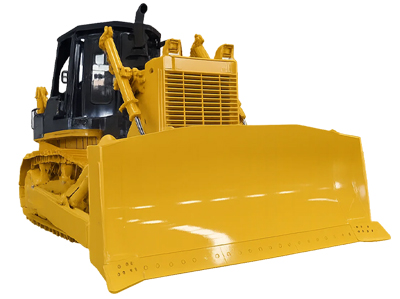
Bulldozers are powerful machines used in construction, mining, and land clearing. Their blades can move large amounts of material like dirt, rubble, and sand. Operating a bulldozer safely and efficiently is crucial for productivity and safety. Proper training and maintenance help prevent accidents and keep the machine in good working order.
In this article, we’ll guide you through the key steps of bulldozer operation, from pre-operation inspections to shutdown procedures. You'll learn essential tips for safe and effective bulldozer use, ensuring smooth operation on any job site.
Safety First: Pre-Operation Checklist
Before starting the bulldozer, conducting a thorough inspection ensures that the equipment is safe to use. Pre-operation checks help identify potential issues that could lead to accidents or costly repairs down the line.
Perform a Walkaround Inspection
Check for Visible Damage: Inspect the blade, ripper, and other key components for cracks, dents, and wear. Even minor damage can lead to unsafe operation.
Look for Leaks: Check under the bulldozer for hydraulic fluid or oil leaks, as these could affect the machine’s performance.
Ensure Doors and Latches Are Secure: Vibrations from the bulldozer can cause doors or latches to loosen. Ensure they are properly locked before moving.
Fluid Levels and Maintenance
Verify Fluid Levels: Ensure sufficient fuel, engine oil, hydraulic fluid, and coolant levels. Operating without proper fluid levels can damage the engine or hydraulic system.
Maintain Regular Fluid Checks: A consistent fluid maintenance schedule minimizes the risk of engine overheating and breakdowns.
Check Track Tension (for tracked dozers)
Inspect Track Condition: Regularly check the tracks for damage or wear. Uneven wear can affect the bulldozer’s efficiency and safety.
Adjust Track Tension: If necessary, adjust the track tension to prevent slipping or excessive strain on the engine.
Consistent pre-operation checks help prevent unplanned downtime and costly repairs, ensuring that the bulldozer operates smoothly throughout the day.
Bulldozer
Getting Into the Bulldozer
Proper Entry and Exit Protocol
Use the Safety Rails: Always maintain three points of contact—two hands and one foot—when entering or exiting the bulldozer. This prevents slipping and potential injury.
Avoid Stepping on Tracks: Tracks can cause tripping hazards. Ensure you use the steps and handrails to safely enter the cab.
Fastening Seatbelts and Safety Gear
Secure Your Seatbelt: Before operating, fasten the seatbelt to reduce the risk of injury in case of an accident.
Check Personal Protective Equipment (PPE): Ensure you are wearing the necessary PPE, such as a hard hat, gloves, and steel-toed boots.
Tip: Proper entry and exit procedures reduce the risk of injuries. Always follow safety protocols when handling heavy machinery.
Starting the Bulldozer
Turn On the Bulldozer
Insert the Key and Start the Engine: Insert the key and turn it until the engine turns over. Always ensure your foot is on the brake to avoid sudden movement.
Avoid Flooding the Engine: If the engine doesn't start on the first try, wait a few moments before attempting again to prevent flooding the engine.
Warming Up the Engine
Idle for 5-10 Minutes: Allow the engine to idle and warm up before operating. This allows oil to circulate, lubricating all components to prevent friction and wear.
Properly warming up the bulldozer reduces the risk of engine damage and ensures smoother operation.
Operating the Bulldozer: Basic Movement
Mastering the basic movement of a bulldozer is essential for ensuring safe and efficient operation. The joystick controls are designed for precision but require practice.
Drive and Reverse Controls
Use the Left Joystick: Push the left joystick forward to drive and backward to reverse. Ensure the joystick clicks into place before moving.
Control Direction: Moving the left joystick left or right adjusts the bulldozer’s direction by slowing one track while the other moves forward.
Speed Control and Throttle
Adjust Speed Control: Turn the speed control down to avoid fast movements that could cause loss of control.
Set the Throttle to ‘Run’: Gradually increase the throttle for smooth, controlled movement. Be cautious of sudden acceleration, especially in rough terrain.
Practice Test Runs
Test the Joysticks: Before operating at full speed, test the responsiveness of the joysticks and throttle. Ensure smooth control and make minor adjustments if necessary.
Consistent testing and control adjustments help maintain safe and efficient bulldozer movement throughout the job.
Blade and Ripper Control: Key Tools for the Job
Lowering and Raising the Blade
Use the Right Joystick: Move the right joystick forward to lower the blade and backward to raise it. Keep the blade slightly above the ground unless ready to push material.
Tilting the Blade
Adjust Blade Angle: Move the right joystick horizontally to tilt the blade. This allows for precision work on uneven surfaces, ensuring even material distribution.
Engaging the Ripper
Use the Ripper Joystick: Pull the ripper joystick back to lower the ripper into the ground. The ripper is used for loosening hard materials before moving them with the blade.
Mastering blade and ripper controls is essential for efficient material movement and ground preparation.
Bulldozer
Advanced Bulldozer Techniques for Efficiency
Working in Layers to Reduce Fuel Use
Multiple Shallow Cuts: Instead of trying to push large amounts of material in a single pass, work in multiple layers. This reduces the load on the bulldozer and helps save fuel.
Push Downhill for Better Fuel Efficiency
Leverage Gravity: Whenever possible, push material downhill. This takes advantage of gravity, reducing engine load and improving fuel efficiency.
Slot Dozing
Create Narrow Trenches: Use the blade to create narrow slots, which helps prevent material spillage and improves load retention.
Efficient bulldozer techniques reduce wear and tear on the machine and lower fuel consumption, helping to maximize productivity.
Proper Shutdown Procedures
Lowering the Blade and Ripper
Set the Blade and Ripper on the Ground: Before shutting down, lower the blade and ripper to the ground. This reduces pressure on the components, preventing strain on the hydraulic system and avoiding damage to the blades and ripper. It also helps maintain the bulldozer’s longevity and ensures readiness for the next use.
Turning Off the Bulldozer
Turn the Throttle to Idle: To safely shut down the bulldozer, first reduce the throttle to its lowest setting. Then, move the joystick to the neutral position to stop all movement. Engage the parking brake to secure the machine in place before turning off the engine. This ensures safety and prevents unnecessary wear on the equipment.
Exiting the Bulldozer Safely
Use Three Points of Contact: When exiting the bulldozer, always maintain three points of contact—one hand and two feet or vice versa—by using the safety rails and steps. This reduces the risk of slips and falls, ensuring safe exit. Following proper shutdown procedures also helps keep the bulldozer in good condition, ready for the next job, and extends its lifespan.
Conclusion
Operating a bulldozer requires proper training, safety awareness, and efficient techniques. By following the steps from pre-operation checks to shutdown procedures, you ensure safe and effective operation. Regular maintenance, monitoring fluid levels, and controlling the blade and ripper are crucial for maximizing productivity. Always prioritize safety to keep the bulldozer in optimal condition.
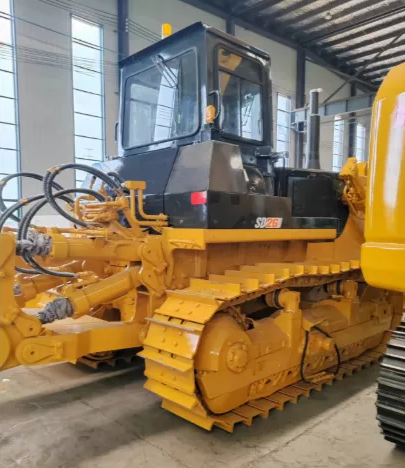
At Qianyu, we offer high-quality bulldozers, like the Shantui SD26, designed for durability and efficiency. Our products are built to handle tough conditions, helping you get the job done safely and effectively.