
whatsapp:8615165139199
mail:lilysun2617188@gmail.com
address:No.16, Ren Mei Road, National Hi-tech Industrial Development Zone, Jining City, Shandong Province, China.
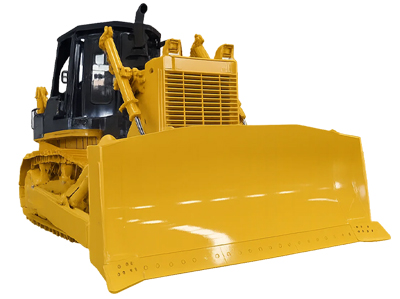
When planning a construction or mining project, understanding how much a bulldozer weighs is critical. The weight of a bulldozer affects its performance, maneuverability, and terrain capabilities.
In this article, we will explore bulldozer weight classes, the factors that influence weight, and how to choose the right bulldozer for your project needs.
Average Bulldozer Weight by Class
Bulldozers come in a variety of sizes, each suited to different tasks. The weight of a bulldozer plays a significant role in its power and suitability for various projects. Let's take a look at the typical weight ranges for different bulldozer classes.
Small Bulldozers (Under 30,000 lbs)
Small bulldozers are compact, versatile machines designed for lighter tasks, such as residential landscaping or small construction projects. Their relatively low weight makes them ideal for maneuvering in tight spaces and on soft or delicate terrain.
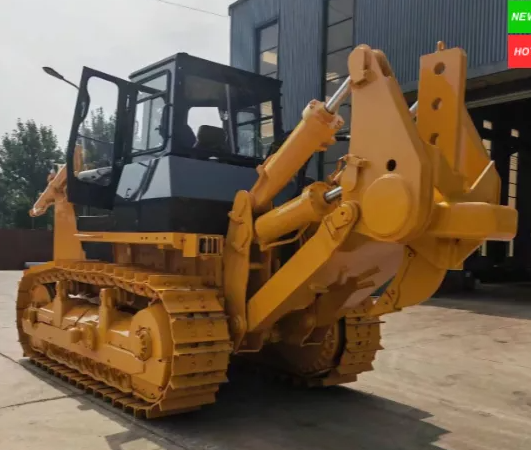
Weight Range: Under 30,000 lbs
Typical Applications: Landscaping, small grading, and residential site preparation.
Examples:
Caterpillar D3: 20,640 lbs
Komatsu D31PX-22: 20,503 lbs
John Deere 450K: 21,000 lbs
Medium Bulldozers (30,000 – 100,000 lbs)
Medium bulldozers offer a balance between power and maneuverability. They are ideal for a wide range of applications, from road construction to large-scale site grading. These machines can handle more substantial workloads than small dozers, but they are still flexible enough for medium-sized projects.
Weight Range: 30,000 to 100,000 lbs
Typical Applications: Road construction, large-scale landscaping, and heavy-duty grading.
Examples:
Caterpillar D6T: 52,715 lbs
Komatsu D65PX-17: 48,444 lbs
John Deere 700L: 32,088 lbs
Large Bulldozers (Over 100,000 lbs)
Large bulldozers are built for the most demanding earthmoving tasks. These machines are commonly used in mining, highway construction, and large-scale commercial developments. Their significant weight allows them to push large amounts of material efficiently, making them perfect for tough, rough terrain.
Weight Range: Over 100,000 lbs
Typical Applications: Mining, large construction, and heavy-duty earthmoving.
Examples:
Caterpillar D11: 229,800 lbs
Komatsu D475A: 254,195 lbs
John Deere 1050K: 234,263 lbs
Bulldozer
What Affects the Weight of a Bulldozer?
Several factors influence how much a bulldozer weighs. The most significant variables include the type of blade and attachments, the materials used in construction, and any additional features or technologies added to the machine.
Blade and Attachment Type
The type of blade or attachment a bulldozer uses can significantly impact its operating weight. For example, heavier attachments such as universal blades or rippers add considerable weight to the machine. On the other hand, lighter attachments like angle blades have a lower impact on the overall weight.
Examples of Attachments:
Angle Blade: 4,250 lbs
Universal Blade: 4,500 lbs
Semi-Universal Blade: 3,350 lbs
Ripper: 12,620 lbs
Materials and Construction
The materials used to construct the bulldozer also contribute to its overall weight. Bulldozers made from reinforced steel or heavy-duty materials will naturally weigh more than those made from lighter alloys. This choice impacts not only the bulldozer's weight but also its strength and durability.
Additional Features
Modern bulldozers may include advanced technologies, such as hydraulic systems, GPS tracking, or 3D control systems, which can also affect their weight. These features increase the machine's operational capabilities but may add extra weight as well.
How Does Bulldozer Weight Affect Performance?
Understanding how bulldozer weight influences performance is crucial for selecting the right machine for a project. Here’s how weight impacts key aspects of bulldozer efficiency and functionality.
Ground Pressure and Soil Compaction
Heavier bulldozers exert more ground pressure, which can help with soil compaction during certain tasks, such as foundation work. However, too much weight on soft or sensitive ground can cause damage to the surface, leading to instability. Therefore, it’s essential to match the bulldozer's weight to the terrain to avoid complications.
Maneuverability and Flexibility
Heavier bulldozers provide more power, allowing them to push large quantities of material over long distances. However, they are less maneuverable than smaller machines and may be harder to operate in tight spaces. Small and medium dozers excel at working in confined areas, while large dozers are better suited for expansive job sites.
Fuel Efficiency
Weight directly affects fuel consumption. Larger, heavier dozers generally consume more fuel because of their higher power requirements. While these machines are more capable, they also come with higher operational costs. If fuel efficiency is a concern, it’s important to weigh the trade-offs between weight, performance, and cost.
When working on projects with tight budgets, consider using a medium-sized bulldozer, as they provide a good balance of power and fuel efficiency.
Comparing Bulldozer Weights Across Popular Brands
Different bulldozer manufacturers offer machines with varying weights, performance capabilities, and features. Here’s a look at how three popular bulldozer brands compare.
Caterpillar Bulldozers
Caterpillar produces a range of bulldozers, from small models like the D3 to large models like the D11. Caterpillar bulldozers are known for their durability and powerful engines.
Popular Models:
Caterpillar D6T: 52,715 lbs
Caterpillar D8: 88,698 lbs
Caterpillar D11: 229,800 lbs
Komatsu Bulldozers
Komatsu also offers a wide range of bulldozers with varying weights. Their models are known for their fuel efficiency and advanced technology.
Popular Models:
Komatsu D65PX-17: 51,960 lbs
Komatsu D475A: 254,195 lbs
Komatsu D155: 94,421 lbs
John Deere Bulldozers
John Deere’s bulldozers range from small to medium-sized machines, often used for road construction, grading, and landscaping projects. Their models are known for their reliability and versatility.
Popular Models:
John Deere 650K: 22,343 lbs
John Deere 700L: 32,088 lbs
John Deere 1050K: 234,263 lbs
Bulldozer
How to Choose the Right Bulldozer Weight for Your Project
Choosing the right bulldozer for your project depends on several factors, including the scope of the project, terrain conditions, and your budget. Here are some tips to help you make the best choice.
Project Scope and Requirements
When selecting a bulldozer, it’s essential to consider the size and complexity of your project. Small residential jobs may only require a small bulldozer, while large-scale construction or mining projects will require a heavier machine with greater power and capacity.
Terrain and Conditions
The terrain on your job site plays a crucial role in determining the right bulldozer weight. For example, a lighter dozer may be better for working on delicate or soft ground, while a heavier dozer is more effective on rocky or uneven terrain.
Budget and Cost Analysis
Heavier bulldozers come with a higher purchase or rental cost, and they also tend to have higher maintenance and fuel consumption costs. While they offer greater power, it’s important to evaluate whether the extra weight justifies the increased expenses for your specific project.
If your project requires a dozer with a combination of flexibility and power, a medium-sized dozer might be the best option, offering a balance between cost and performance.
Conclusion
Understanding bulldozer weight is essential for selecting the right machine for your project. By considering factors like weight classification, terrain, and attachments, you can improve efficiency and safety on-site. Whether for small residential or large-scale construction, the right bulldozer maximizes performance and minimizes costs.
At Qianyu, we offer a variety of bulldozers that cater to different needs, ensuring the perfect balance between cost and performance for your project.