
whatsapp:8615165139199
mail:lilysun2617188@gmail.com
address:No.16, Ren Mei Road, National Hi-tech Industrial Development Zone, Jining City, Shandong Province, China.
Bulldozers are essential machines in industries like construction and mining. Their robust design and power enable them to tackle the toughest jobs, such as moving heavy materials and shaping landscapes.
In this article, we’ll explore what a bulldozer is and how it’s used across various projects. You’ll learn about its types, functions, and applications in real-world scenarios.
What is a Bulldozer?
Overview of the Bulldozer
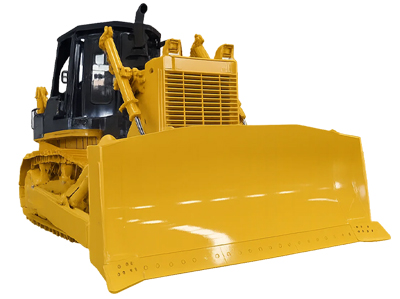
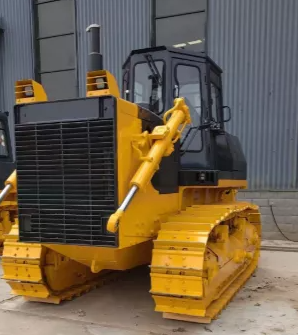
A bulldozer is a powerful heavy machine that uses a large, flat blade to move earth, rocks, and other materials. These machines are equipped with tracks (instead of wheels) that give them superior stability and traction on difficult, uneven terrain. Whether it's pushing through dense mud, dirt, or rock, the bulldozer’s tracks ensure it stays in motion without getting stuck. Additionally, bulldozers are often fitted with a ripper attachment at the back, which is used to break tough ground or rock before pushing it with the blade.
How Does a Bulldozer Work?
The bulldozer operates by pushing materials using its front blade. Operators can adjust the height and angle of the blade to control the direction and flow of the material. The machine’s tracks provide excellent stability, even on soft or uneven surfaces like mud or gravel. Bulldozers are often used in construction projects where large-scale excavation, land leveling, and site clearing are required. The ripper at the back further assists by breaking up compacted soil, rock, or asphalt, allowing for easier handling and transport.
Types of Bulldozers
Crawler Bulldozers
Crawler bulldozers are designed for the toughest terrains. Unlike wheeled bulldozers, they use tracks to distribute their weight evenly, making them perfect for rough or uneven surfaces. These dozers excel in areas such as mining, land clearing, and construction sites where high stability is crucial. The tracks provide better traction on soft or muddy ground, ensuring the bulldozer can work effectively without sinking.
Wheel Bulldozers
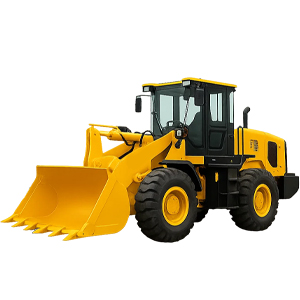
Wheel bulldozers, in contrast, use rubber tires instead of tracks. These machines are more agile and faster, making them ideal for road construction and urban landscaping where maneuverability is key. While they don’t provide the same level of stability as crawler bulldozers, their speed and efficiency on hard, paved surfaces make them highly effective for projects that require quick movement of materials over firm ground.
Mini Bulldozers
Mini bulldozers are smaller, more compact versions of their larger counterparts. These dozers offer the same functionality but in a smaller, more maneuverable package. They’re particularly useful in residential construction, landscaping, or any project where space is limited. Despite their smaller size, mini bulldozers pack significant power and are capable of handling tasks like grading and clearing smaller sites.
Swamp Bulldozers
Swamp bulldozers are specially designed for wet, marshy, or swampy conditions. Their wide tracks help distribute their weight, allowing them to move over soft, waterlogged surfaces without sinking. These dozers are perfect for environmental restoration, wetland clearing, or other projects that involve working in areas with high moisture content where traditional bulldozers might get stuck.
Bulldozer
Common Uses of Bulldozers
Land Clearing
Bulldozers are often used in land clearing projects, where they remove obstacles such as trees, brush, rocks, and even small buildings to prepare a site for development. Their powerful front blades push large amounts of debris aside quickly, allowing for efficient site preparation. Whether it's for construction, agriculture, or industrial use, bulldozers help clear the land, making it suitable for construction foundations or agricultural planting.
Excavation and Earthmoving
Bulldozers are vital for excavation and earthmoving tasks. These machines are designed to move large volumes of dirt, rock, or debris quickly. Excavating sites for building foundations, trenches, or other large-scale projects requires the bulldozer’s power and precision. The heavy blade allows for fast-moving earth, helping shape the land to meet project specifications.
Road Construction
In road construction, bulldozers are responsible for grading the land and preparing a stable base for asphalt or concrete. Before any road can be paved, the ground must be properly leveled and cleared of debris. Bulldozers push large amounts of earth, remove rocks, and create smooth surfaces that serve as the foundation for roads and highways. Their ability to move massive quantities of materials quickly makes them indispensable in roadwork.
Demolition Projects
Bulldozers are commonly used in demolition, where their powerful blades can push over walls, flatten buildings, and clear away debris. Their rugged design allows them to break through structures and remove heavy, broken materials quickly. Unlike more precise demolition tools, bulldozers handle large-scale demolition tasks, making them ideal for clearing sites in preparation for new construction.
Mining and Quarry Operations
In mining, bulldozers are used to move overburden, which is the material above valuable minerals. They help clear land, push topsoil, and create access roads for other mining equipment. Bulldozers are also used to reshape the land after mining operations, helping to restore areas to a more natural state during reclamation efforts.
How to Choose the Right Bulldozer for Your Project
Evaluating Terrain and Terrain Type
When choosing a bulldozer, one of the most important factors is the type of terrain you’ll be working on. For rough, uneven surfaces or soft soil, a crawler bulldozer is ideal. However, for paved or compact surfaces, a wheel bulldozer may be more suitable due to its speed and maneuverability.
Determining Project Size
The size of your project will also dictate which bulldozer is best suited for the task. Larger projects, like major construction or mining operations, will require a heavy-duty bulldozer like a crawler. For smaller residential projects or landscaping, a mini bulldozer might be more appropriate. Be sure to assess your project’s scope before making a selection.
Speed and Maneuverability Considerations
For projects that require quick movements or fine-tuned precision, wheel bulldozers offer more agility than crawler models. If your worksite requires faster material movement, a wheel bulldozer may be more effective, especially on hard, flat surfaces. For tasks where precision and power are key, a crawler bulldozer is the preferred option.
Special Conditions and Attachments
Consider any special conditions like wetlands, snow, or steep hills, which may require additional features. For wet or soft environments, swamp bulldozers are ideal, while attachments like rippers can be added to bulldozers for breaking up tough surfaces or rock.
Different Types of Bulldozer Blades
Straight Blade (S-Blade)
The S-Blade is the most basic bulldozer blade. It’s used for fine-grained materials and medium to hard-density surfaces. Its straight design allows it to effectively push material but limits its lifting and carrying capacity. The S-Blade is great for tasks like grading and stumping.
Universal Blade (U-Blade)
The U-Blade is larger and more curved, with side wings that prevent material from spilling over. This blade is used for longer stretches of land and is ideal for ditching and hauling. It is especially effective on loose materials like dirt and sand, making it perfect for large-scale earth-moving projects.
Semi-U Blade (S-U Blade)
The Semi-U blade combines the best of both the S and U blades. It provides better material penetration and versatility, with smaller side wings that still allow for significant lifting and movement of materials. The S-U Blade is often used for crowning and moving heavy materials.
Angle Blade
The Angle Blade can tilt up to 30 degrees, making it ideal for shaping land, clearing debris, or moving materials to the side. This blade is best used on granular materials like gravel, snow, and soft to medium-hard soil. Its angled design allows for better material control and movement across uneven ground.
Power-Angle-Tilt (PAT) Blade
The PAT Blade is the most versatile option. It can angle, tilt, and lift in multiple directions, offering maximum flexibility. It’s best for tasks like leveling, scraping, and land clearing, and is ideal for projects where varied material handling and fine precision are required.
Bulldozer
Maintenance and Safety Tips for Bulldozer Operators
Essential Maintenance Tips
Regular maintenance is key to keeping a bulldozer in top condition. Ensure that tracks are properly maintained, blades are sharpened, and oil levels are checked regularly. Routine maintenance will extend the bulldozer’s lifespan and improve its efficiency.
Safety Protocols for Operators
Operating a bulldozer can be dangerous without the right training. Operators must be familiar with safety protocols, including using handrails for entry and exit, checking blind spots, and driving at safe speeds. Always ensure that the bulldozer is properly shut down when not in use.
Operational Best Practices
Best practices for bulldozer operation include working slowly on steep inclines, ensuring that the load is evenly distributed, and using a spotter when working in blind spots. These measures ensure operator safety and enhance the bulldozer’s performance on the job site.
Conclusion
Bulldozers are powerful machines crucial for tasks such as land clearing, excavation, and road construction. By understanding different bulldozer types, blades, and maintenance, operators can ensure optimal performance. Choosing the right bulldozer for your specific project—considering terrain and job size—ensures efficiency and safety. For high-performance bulldozers, Qianyu offers solutions like the SHANTUI SD26 Bulldozer, designed to meet various heavy-duty project needs.